Review: 3D SVG Mandala Ball for Holiday Embroidery
As a designer who spends more time at the hoop than away from it, I approach every new digital embroidery file with a mix of excitement and skepticism. We have all downloaded a "premium" design only to find tangled threads, poor stitch density, or shapes that simply do not translate well to fabric. Recently, I took a close look at the 3D SVG Mandala Ball, a collection marketed heavily for Christmas projects but promising versatility for year-round use. After reviewing the layers and visualizing the stitch-out, here is my practical assessment of how this design performs in real-world scenarios.
First Impressions and Visual Personality
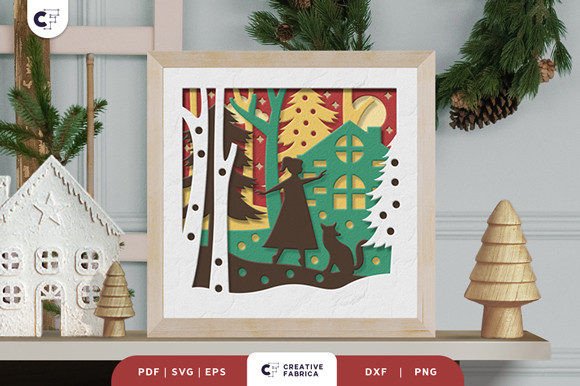
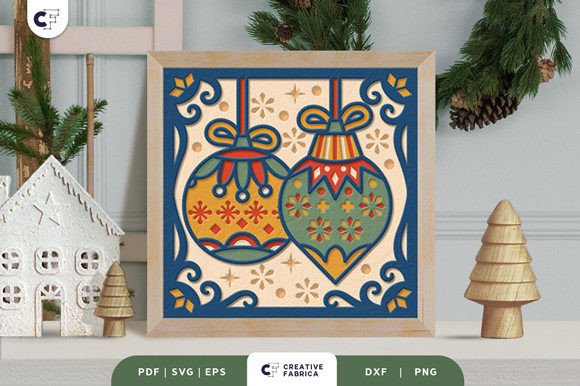
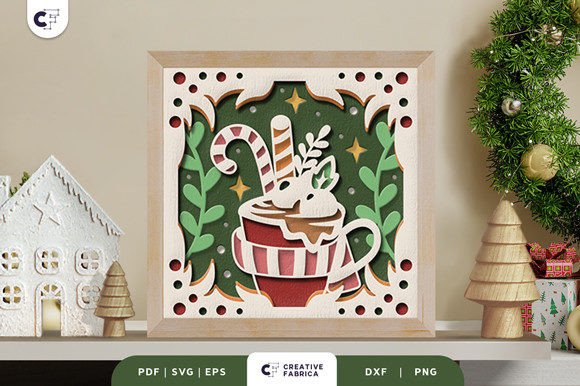
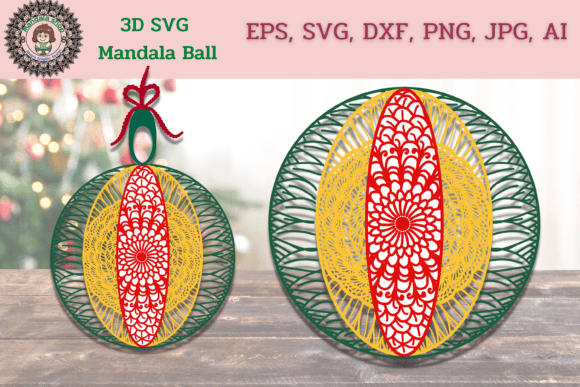
The moment you unzip the folder, the first thing that strikes me about the 3D SVG Mandala Ball is its structural complexity. Unlike flat vector art that relies solely on color fills, this design utilizes three distinct layers to create depth. For an embroidery designer, this layering is crucial. It suggests a build-up of texture that mimics the look of a physical ornament or a intricate snowflake without requiring excessive underlay or complex manual programming.
The mood created by the mandala pattern is one of calm precision. Geometric symmetry can often feel cold or robotic, but the organic flow within the mandala sections softens the edges, making it feel handmade rather than computer-generated. This visual personality makes it an ideal candidate for holiday embroidery where customers expect a touch of magic, yet it retains enough elegance for non-seasonal personalized gifts. The layout feels balanced, avoiding the common pitfall of overcrowding the center while leaving the outer rings too sparse.
Real-World Application: The Holiday Tote Scenario
To truly test the viability of this design, I imagined a specific client request: a boutique owner needing a limited run of heavy-canvas tote bag designs for a winter market. She wanted something that looked festive but sophisticated enough to be used after December. The 3D SVG Mandala Ball fits this brief perfectly.
On a sturdy canvas tote, the three-layer structure would allow for a beautiful interplay of thread colors. I envision using a metallic gold thread for the top layer to catch the light, a deep navy for the middle, and a neutral cream for the base. This approach transforms the embroidery project from a simple logo slap into a piece of textile art. The geometric nature of the mandala holds up well on textured fabrics like canvas or denim, where softer, curvy designs might get lost in the weave.
For an Etsy seller, this versatility is a goldmine. You are not just selling a Christmas item; you are selling a handmade product that serves as winter decor, a gift bag, or a stylish accessory. The design's clarity ensures that even from a distance, the intricate details signal quality, increasing the perceived value of the finished product.
Performance on Different Fabrics and Hoops
While the design shines on stable materials, caution is required when moving to trickier substrates. If you plan to use this as sweatshirt embroidery on fleece or French terry, the stitch density becomes a critical factor. Dense areas in the inner mandala rings could cause puckering if the fabric is too stretchy or if the stabilizer is insufficient. In these cases, I strongly recommend testing on scrap fabric first. A cut-away stabilizer would likely be necessary to maintain the crisp lines of the geometric shapes over time.
Another consideration is the hoop size. Because this is a multi-layered design intended to show detail, shrinking it down to fit a small cap or a baby onesie might compromise the integrity of the smallest elements. Tiny corners in the mandala pattern could merge together if scaled down too aggressively. For baby embroidery, I would advise isolating just the outer ring or the central motif rather than attempting the full three-layer stack, ensuring the result remains soft and safe for sensitive skin.
Curved surfaces present their own challenges. While the design is stunning on flat pillow covers or tea towels, applying it to a structured cap requires careful positioning. The curvature can distort the circular symmetry of the mandala, making it look oval or warped. If you are an apparel decorator working with hats, ensure your digitizing software or machine settings account for push-pull distortion before committing to a production run.
Enhancing Brand Value and Customer Trust
In the world of craft business, consistency is key to building trust. The 3D SVG Mandala Ball offers a level of professionalism that generic clip art cannot match. When a customer receives an item with clean, well-defined stitching and thoughtful color separation, it reinforces the reputation of the maker. This design does not look like a quick fill job; it looks like a custom applique design or a high-end satin stitch creation.
For those creating printable mockups to sell digital assets or preview physical goods, the layered nature of the SVG allows for realistic shadowing and depth in presentations. This helps buyers visualize the texture before they purchase, reducing return rates and increasing engagement. Whether you are branding a line of kitchen towels or creating a signature patch for a jacket, the visual appeal of this mandala elevates the entire collection.
Practical Notes for the Professional Maker
Before you start stitching, there are several technical checks every responsible designer should perform. First, verify the specific file formats included in the zip folder. While the description mentions premium SVGs, ensure you have the correct machine embroidery design formats (like PES, DST, or EXP) compatible with your specific hardware. Do not assume universal compatibility.
Second, review the stitch types. A design like this likely employs a combination of running stitch for fine details, fill stitch for broader areas, and perhaps satin stitch for borders. Check the direction of these stitches in your editing software. Adjusting the angle of the fill stitches can dramatically change how light reflects off the final piece, especially on dark fabrics.
Color contrast is another vital element. Test the design in black and white mockups to ensure the layers distinguish themselves without relying solely on hue. If the middle layer blends into the background on a dark garment, the 3D effect will be lost. Finally, always confirm the licensing terms. Since this is a commercial-grade asset, clarify whether you can sell the stitched items, the digital files, or both. Protecting your small shop product line starts with understanding the rights attached to your design assets.
The 3D SVG Mandala Ball is a robust tool for the creative entrepreneur. It bridges the gap between festive cheer and timeless design, offering enough flexibility to suit a wide range of commercial embroidery needs. With proper preparation and an eye for detail, it can become a staple in your holiday catalog and beyond.