Giraffe Silhouette 3D Shadow Box: A Designer's Review
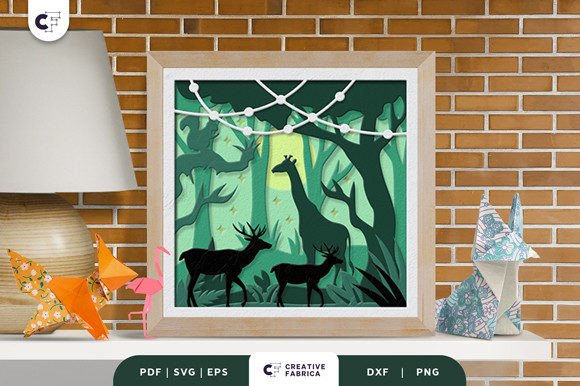
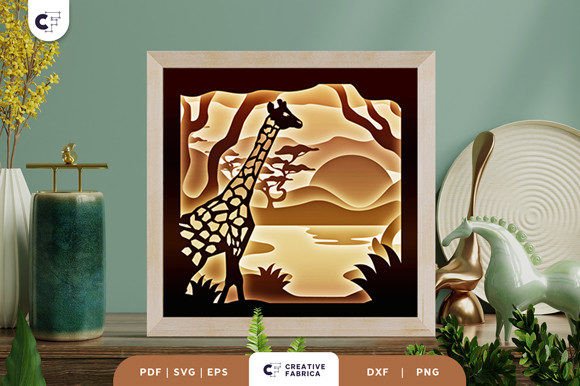
When a client approaches me with a request for a boutique nursery brand or a safari-themed event identity, the pressure is on to find assets that feel handcrafted yet polished. Recently, while scouting for a graphic design asset to anchor a visual campaign for a small business specializing in handmade wooden toys, I stumbled upon the Giraffe Silhouette 3D Shadow Box. As a designer who constantly balances aesthetic appeal with technical feasibility, my first impression was one of cautious optimism. The silhouette offers a classic, recognizable form, but the promise of a "3D shadow box" effect suggests a level of depth and texture that flat vector art often lacks.
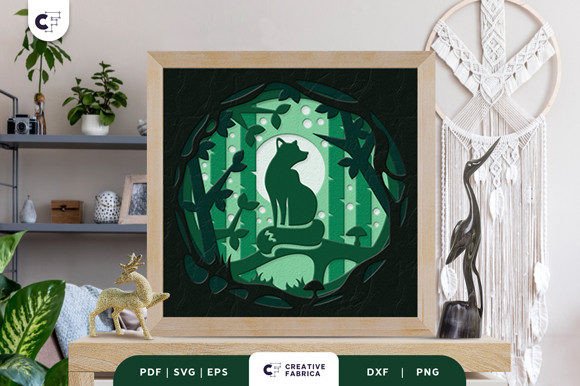
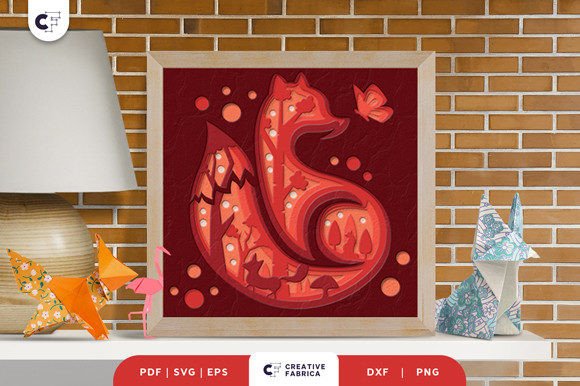
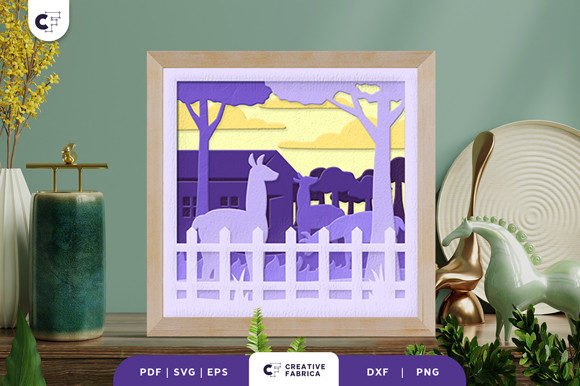
The mood this asset creates is immediately warm and inviting. It leans heavily into the modern design trend of layered paper cutting, which has become a staple in the creative marketplace. For a project targeting parents or nature lovers, this style evokes a sense of care and artisanal quality. It fits perfectly within the Animals category but elevates the subject matter beyond a simple clipart illustration. The square format provides a contained, balanced composition that works exceptionally well as a hero graphic on packaging or as a focal point in social media graphics.
Evaluating Versatility in Real Client Projects
In the context of a real client project, versatility is king. I tested the Giraffe Silhouette 3D Shadow Box across several potential applications to see where it truly shines. For packaging design, specifically for a line of organic baby clothes, the layered effect adds a tactile dimension that even digital mockups can convey effectively. When placed on a kraft paper texture background, the shadows create a convincing illusion of depth, making the product mockup look expensive and thoughtfully designed.
For print-on-demand sellers and Etsy product creators, this digital product is a goldmine. The 3D SVG structure allows for precise cutting on machines like Cricut or Silhouette, making it ideal for physical Cricut projects such as wall decals or greeting cards. However, its utility extends beyond physical crafting. As a sublimation design for mugs or tote bags, the high-contrast layers ensure the image remains legible even when printed on curved surfaces. I also envision this working beautifully as a sticker design, where the die-cut potential of the silhouette enhances the perceived value of the merchandise.
In terms of brand identity and logo design, caution is required. While the asset is stunning, a complex layered silhouette might be too detailed for a primary logo mark, especially at small sizes. However, it serves as an excellent secondary element for marketing visuals, such as headers on a website or decorative accents on business cards. For editorial design in a parenting blog or a travel magazine feature on African wildlife, this illustration acts as a sophisticated break from standard stock photography, adding a curated, artistic touch to the layout.
Strategic Placement and Visual Hierarchy
Understanding where to place this asset is crucial for maintaining visual hierarchy. The Giraffe Silhouette 3D Shadow Box works best in large layout areas where the intricate layering can be appreciated. It is perfect for hero graphics on landing pages, large format posters, or the front cover of a lookbook. In these spaces, the interplay of light and shadow draws the eye and encourages the viewer to linger.
Conversely, there are scenarios where this design should be used carefully. In crowded layouts or small-scale applications like favicons or mobile app icons, the fine details of the shadow layers may blur, reducing clarity. It is also less suitable for minimalist corporate branding where clean lines and solid colors are paramount. If the background is too complex or low-contrast, the subtle shadows that define the "3D" effect will get lost, rendering the image flat and muddy. Designers must ensure there is ample negative space around the silhouette to let it breathe.
Technical Performance and Designer Notes
From a technical standpoint, receiving the file in both SVG and PDF formats is a significant advantage. The SVG format ensures scalability without loss of quality, which is essential for commercial design projects ranging from billboards to business cards. The PDF is invaluable for print-ready workflows. Before committing to a client deliverable, I always run a series of checks. First, I test the design in black and white to ensure the contrast holds up without relying on color cues. This is vital for single-color printing methods like screen printing or vinyl cutting.
I also preview the asset at various sizes. At 100% scale, the layers are distinct; at 25%, do they merge? For this specific asset, the separation between layers is generally robust, but tweaking the stroke weight or gap size in a vector editor might be necessary for very small outputs. When pairing this illustration with typography, I found it complements both serif and sans-serif fonts well, provided the text does not overlap the intricate shadow areas. A bold, geometric sans-serif often balances the organic curves of the giraffe, while a handwritten font can enhance the "handmade" vibe for small business branding.
Finally, verifying the commercial license is non-negotiable. Since this is intended for client work, ensuring the license covers unlimited sales for physical and digital goods is a must. The description notes it is a layered template, implying the user can manipulate the depth and color of each layer. This editability is a huge plus for customizing the asset to match specific brand colors or seasonal themes, transforming a generic design bundle item into a bespoke brand element.
In conclusion, the Giraffe Silhouette 3D Shadow Box is a powerful tool in a designer's arsenal. It bridges the gap between digital precision and analog warmth. Whether used for a Canva template sold to bloggers, a t-shirt design for a zoo gift shop, or a sophisticated web design element, it delivers a professional finish. By understanding its strengths in creating depth and its limitations in small-scale applications, designers can leverage this creative design asset to elevate their projects and deliver exceptional results for their clients.